At a standard yearly checkup, five groups of numbers do most of the predictive work: the lipid panel, fasting glucose or HbA1c, blood pressure (measured alongside, not in the tube), the complete blood count, and thyroid-stimulating hormone — with heart disease still the leading cause of death in the United States, according to the CDC, which is why the lipid numbers get their reputation.
Nothing here diagnoses anything or replaces lab interpretation — reference ranges shift with age, sex, medications, and your history, and your doctor reads the whole pattern, not a single line.
Which numbers matter most in a basic panel?
The lipid panel draws the most attention because cardiovascular disease does. It reports total cholesterol, LDL, HDL, and triglycerides. LDL is the one most guidelines treat as the treatment target, since lowering elevated LDL with statins reduces heart attacks and strokes in large randomized trials. Triglycerides respond strongly to alcohol, refined carbohydrates, and weight, which makes them one of the more fixable lines on the page.
Glucose measures come second. A fasting glucose of 100 to 125 mg/dL (or an HbA1c of 5.7 to 6.4 percent) falls in the prediabetes range per the CDC, while HbA1c at 6.5 percent or above meets the diabetes threshold. HbA1c reflects average blood sugar over roughly three months, so it catches what a single fasting sample misses.
The complete blood count (CBC) screens for anemia, infection, and clotting problems through hemoglobin, hematocrit, white-cell, and platelet counts. Mild anomalies here are common and often transient — that is exactly the kind of result to ask about rather than Google. Thyroid-stimulating hormone (TSH), frequently added after 40 or with fatigue and weight changes, screens the thyroid gland, which quietly influences energy, weight, mood, and cholesterol.
Two more often bundled in: creatinine with an estimated glomerular filtration rate, a rough gauge of kidney function, and liver enzymes (ALT, AST), which flag liver stress from medications, alcohol, or fatty liver — a condition CDC-linked research ties to rising rates of metabolic disease.
How often should each be checked?
Intervals depend on your baseline, but typical guidance runs like this:
- Lipids: every 4 to 6 years for adults at normal risk, per the American Heart Association's screening guidance — annually or more if elevated, on treatment, or with diabetes or heart disease.
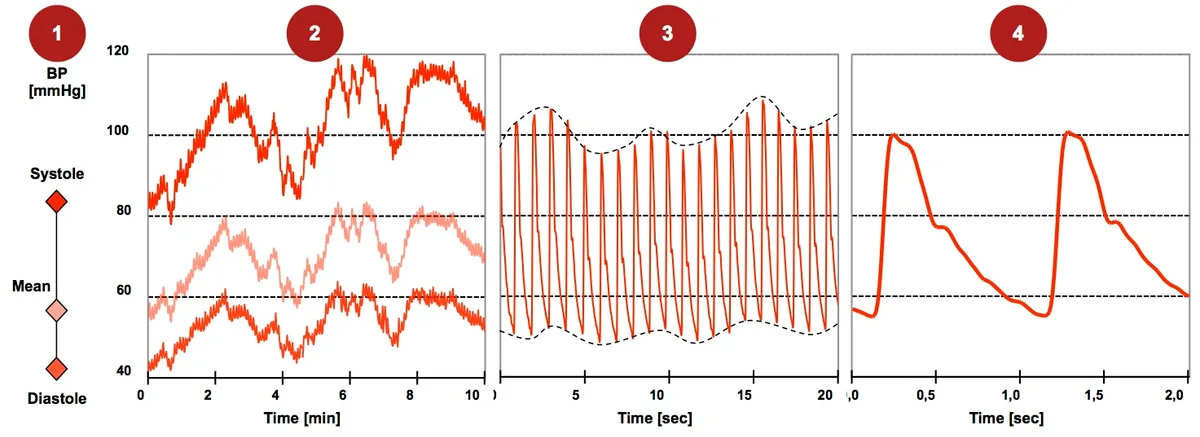
- Blood pressure: at least every checkup; the American Heart Association defines normal as under 120/80 and hypertension stage 1 as starting at 130/80.
- Glucose/HbA1c: every 3 years from midlife for adults at average weight and risk, sooner with prediabetes, obesity, or family history — the American Diabetes Association's general screening framework.
- CBC and metabolic panel: commonly yearly as part of a routine physical, though major guidelines note there is no universal mandate — frequency is a judgment between you and your clinician.
The honest answer to "how often" is: your risk profile decides. Someone on a statin with prediabetes sees a lab draw annually; a healthy 35-year-old may screen far less often until the midlife checkpoints arrive.
What do "reference ranges" actually mean?
Each lab prints a range built from the middle 95 percent of people tested by that lab — so a "normal" range is statistical, not a wellness certificate. Slightly outside is not automatically disease; comfortably inside is not automatically health, because ranges vary by lab and by demographics. This is why the trend across years matters more than any single value: an LDL creeping upward for four straight years tells a clearer story than one number inside the shaded zone.
Reference ranges also create a blind spot worth knowing about: optimal and normal are different concepts. An HbA1c of 5.6 percent is normal, yet sits one decimal from prediabetes; a triglyceride of 149 mg/dL is normal, yet near the threshold where metabolic patterns start showing. Numbers near range edges are the ones worth a follow-up question at your appointment.
How should you prepare for the draw?
Preparation is mostly about not distorting results: drink water, and if your panel includes fasting glucose or lipids, follow your lab's fasting instruction — typically 8 to 12 hours without calories, water allowed. The American Heart Association notes that non-fasting lipids are acceptable in many screening contexts now, but follow what your clinician ordered. Sleep normally the night before (short sleep can nudge glucose), hold off on a hard workout that morning, and tell the staff about supplements — biotin, for one, is known to interfere with several immunoassays, a caution documented by the FDA and NIH offices.
Practical add-ons: request a copy of your results, keep your own running list by year, and bring three questions to the visit — which numbers changed, which need action, and when should we test again. Panels produce data; appointments produce decisions.
Are home blood tests worth it?
They are a supplement, not a substitute. Direct-to-consumer panels can be convenient and sometimes cheaper than a clinic draw, but results without a clinician to contextualize them lead people toward anxiety or false reassurance. CDC consumer guidance on lab tests emphasizes that testing should answer a clinical question — home panels make sense when your doctor requests specific numbers between visits, less so as an unsupervised annual ritual.
Frequently asked questions
Do I need to fast before a cholesterol test?
Increasingly, no — the American Heart Association notes non-fasting lipid panels are acceptable for many purposes, and triglycerides run higher but still usable without fasting. Follow the instruction your clinician gives for the specific test ordered, since fasting matters more for glucose than for cholesterol in modern practice.
What's the single most important number to watch?
If forced to pick one from the panel, LDL cholesterol carries the strongest evidence base for treatment reducing death and events, and blood pressure carries an equally strong one measured at every visit. But the set works as a pattern — glucose, lipids, kidney, and liver results gain meaning together.