Beauty
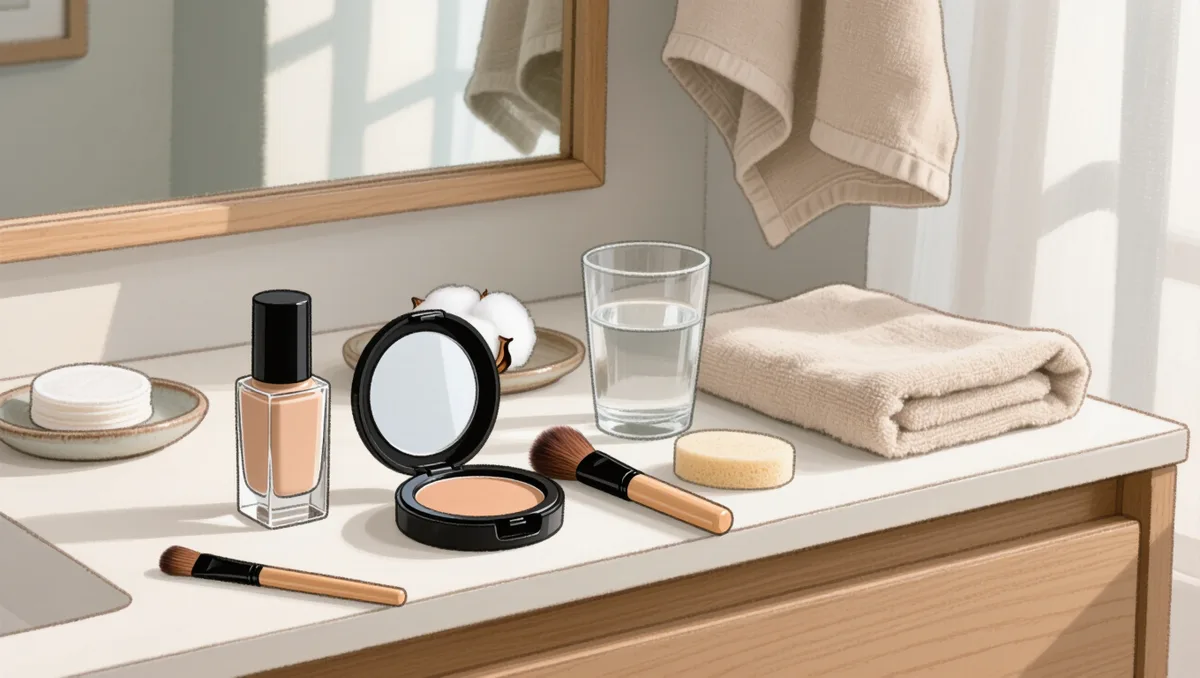
The Three-Minute Face: A Minimal Makeup Routine That Still Looks Finished
Four products, two minutes of technique, and a polished face that survives a real morning.
Beauty at Volewo favors what holds up: makeup that stays put through heat, sweat and a long shift, and skincare that fits into five minutes. Recommendations account for budget, time and the fact that most mornings are rushed. Meant for readers who want to look presentable rather than professionally finished.
Four products, two minutes of technique, and a polished face that survives a real morning.
Open rates are up, conversions are down, and the numbers point to one clear answer for how beauty brands reach you.
The number on the bottle isn't a multiplier or a timer — it's a filtration rate, and understanding it changes how you shop and reapply.
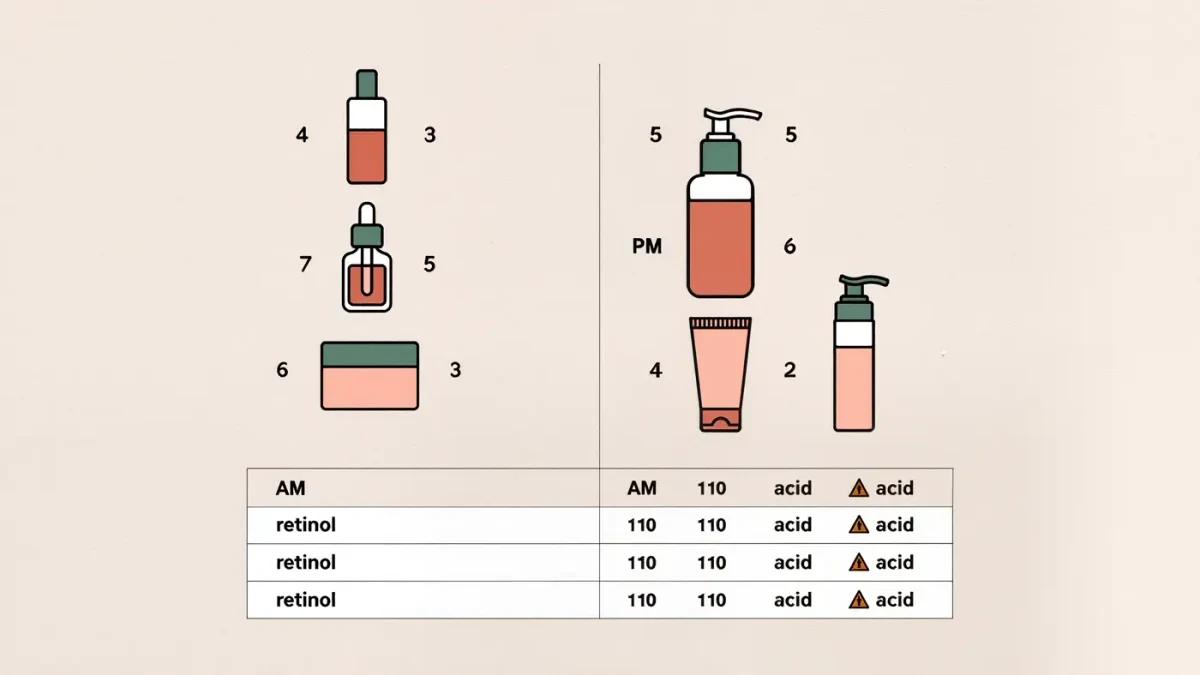
Thinnest to thickest, with the two rules that resolve almost every layering question — and the pairs that should never share a minute.
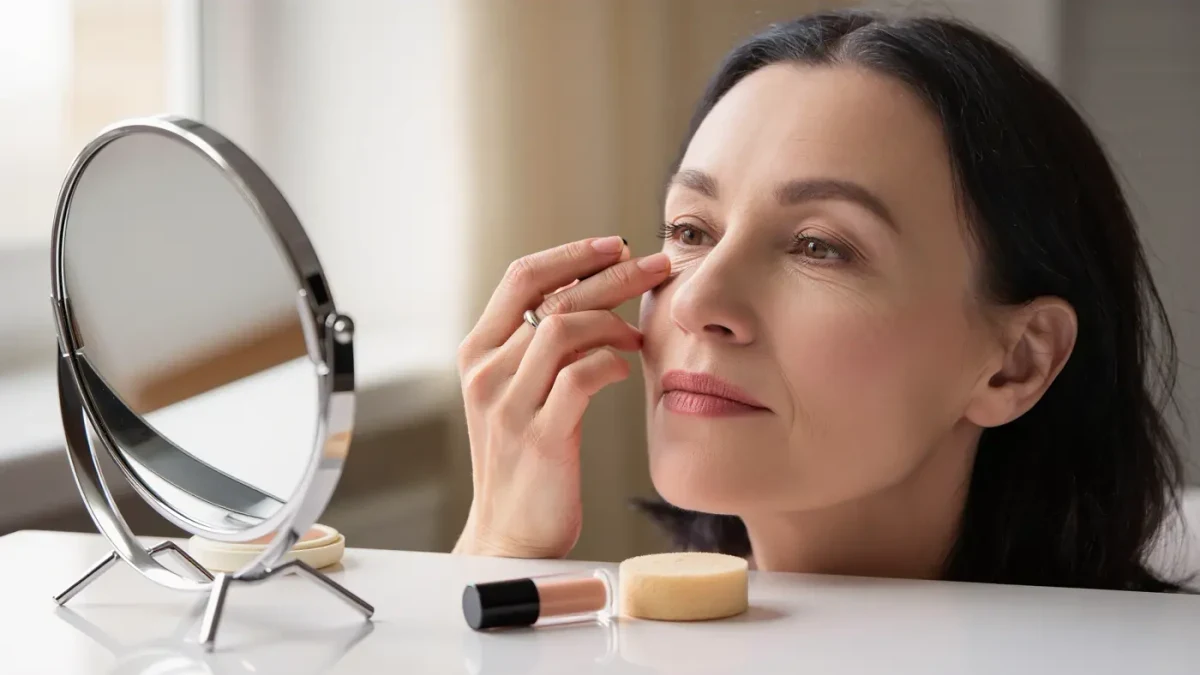
Thin layers, a warm press, and the one-shade rule — plus why your concealer is probably creasing from prep, not formula.
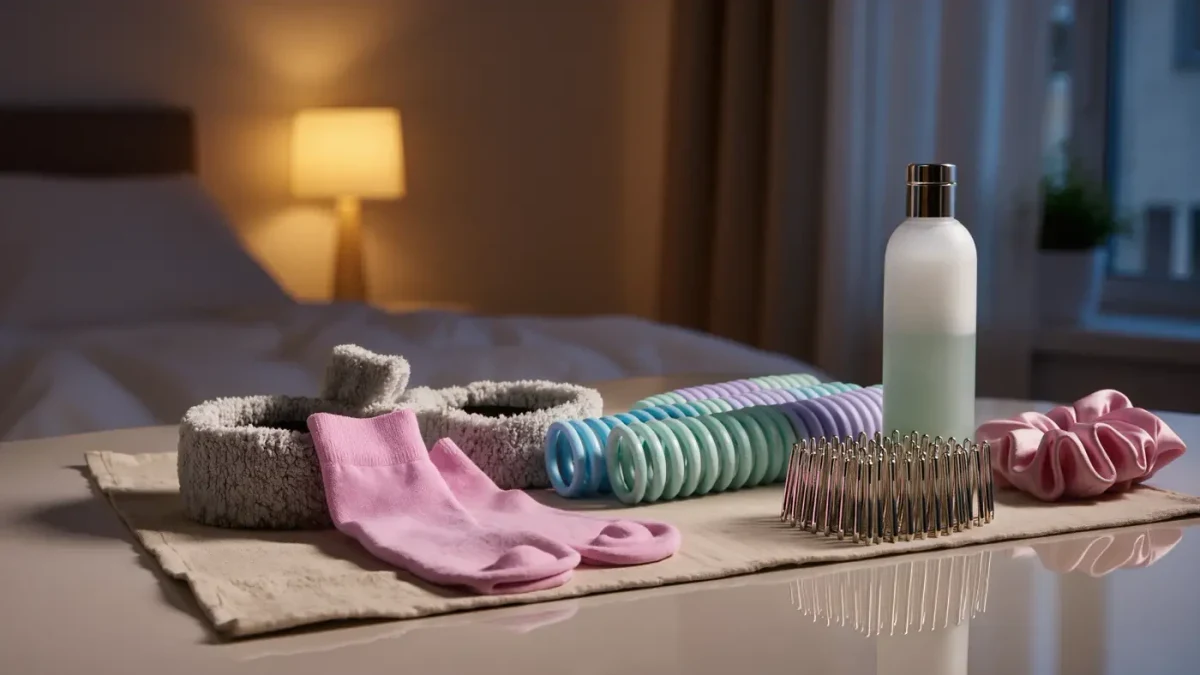
Socks, a robe tie, flexi rods, and pin curls — what each one delivers by morning, and how to sleep through the setting process.