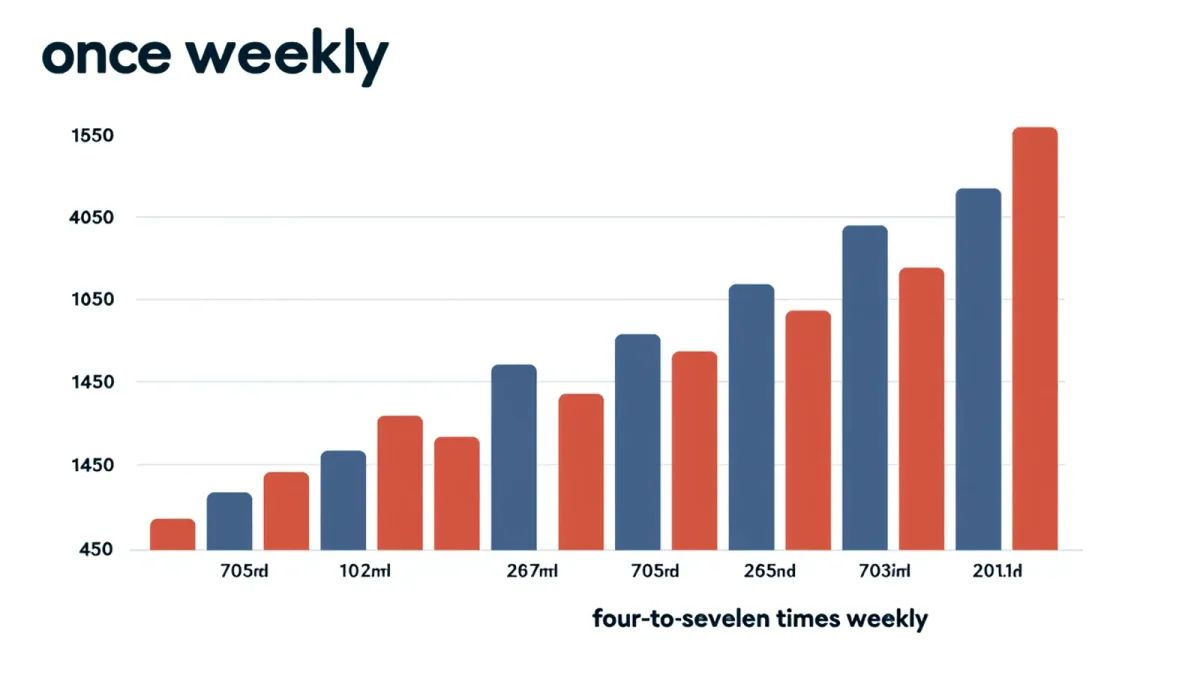
If you want one takeaway: regular sauna use has the strongest long-term evidence — a 2015 JAMA Internal Medicine cohort study of 2,315 middle-aged Finnish men found 4 to 7 sauna sessions per week was associated with roughly a 40 percent lower risk of all-cause mortality compared with one session per week — while cold water immersion is best treated as a short-term tool for perceived soreness, not a recovery upgrade you need after every workout. Neither replaces sleep, protein, or rest days. Here is how to choose between them, honestly.
VOLEWO publishes information, not medical advice. Sauna and cold exposure both stress the cardiovascular system; if you have heart disease, high blood pressure, or are pregnant, talk to a qualified health professional before using either.
What does the sauna evidence actually show?
The strongest data comes from Finnish cohort research led by Jari Laukkanen's team at the University of Eastern Finland. In the 2015 JAMA Internal Medicine analysis, men who used a sauna 4 to 7 times a week had substantially lower rates of fatal cardiovascular disease and all-cause mortality over roughly 20 years of follow-up than once-a-week users, and a 2017 follow-up in the same cohort linked frequent use to lower dementia risk.
Read the fine print before buying a cabin: these are observational studies of a population with lifelong sauna habits, so sauna users may differ in other ways — the researchers adjusted for exercise and lifestyle factors, but association is not proof. A 2018 Mayo Clinic review published in Mayo Clinic Proceedings concluded that sauna bathing appears generally safe for most people and shows promise for cardiovascular health, while calling for more controlled trials.
What does cold exposure actually do?
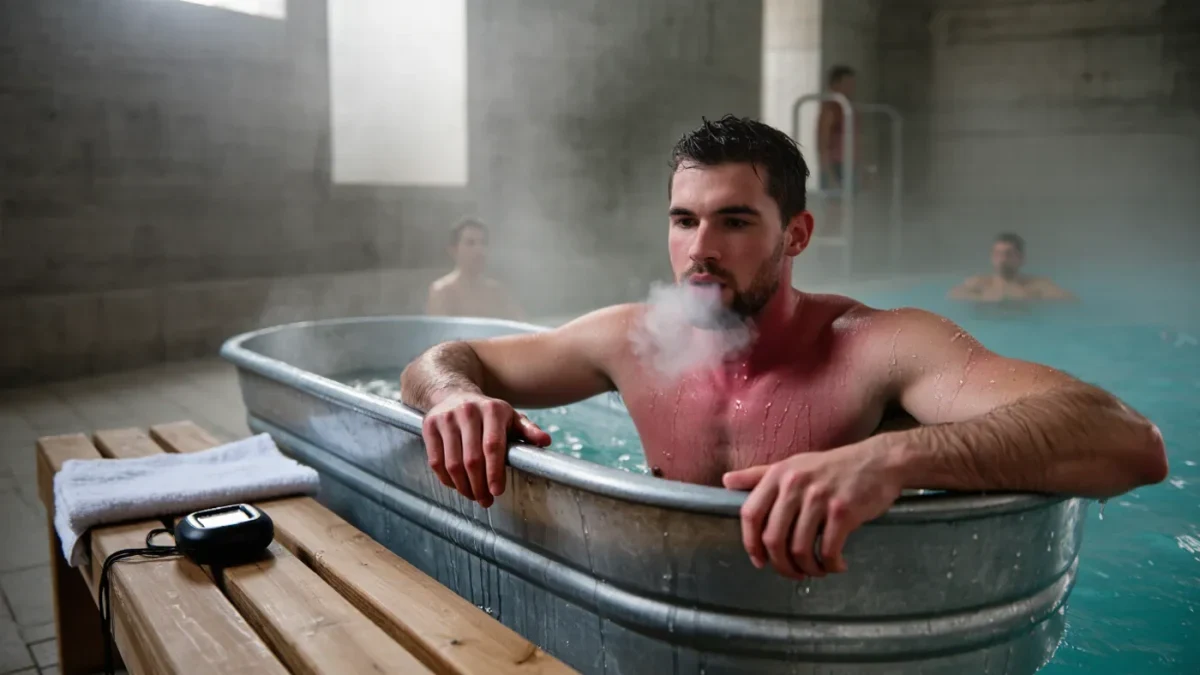
Cold water immersion reliably reduces how sore you feel after hard exercise — a 2016 meta-analysis in the Cochrane Database found cold-water immersion produced small reductions in post-exercise muscle soreness compared with rest, though the authors rated the evidence quality as low to moderate. Feeling less sore is real and, for some athletes in competition blocks, useful.
The newer twist: adaptation may be blunted. A 2025 study by Klemba and colleagues published in Nature Communications found that cold-water immersion after resistance training reduced long-term gains in muscle size and strength compared with active recovery. So the popular post-lift plunge has a genuine trade-off — you may feel better today and build less over the year.
So which one should you pick?
Pick by goal, not by trend. The comparison looks like this:
| Goal | Better fit | Evidence basis |
|---|---|---|
| Long-term heart and brain health | Sauna, 3-4+ sessions weekly | Finnish cohort studies, 2015 and 2017 |
| Feeling less sore after a hard session | Cold water immersion, 10-15 minutes | Cochrane meta-analysis, 2016 |
| Building maximum muscle or strength | Neither — skip the post-lift plunge | Nature Communications study, 2025 |
| Relaxation and sleep routine | Sauna or a warm shower | Passive heating research, 2019+ |
One caution the table cannot show: cold exposure feels dramatic, and dramatic often gets oversold. The mental refresh is real for many people, but the measurable recovery advantage over plain rest is small.
How long and how often should you use each?
For sauna, the Finnish data describes sessions of about 15 to 20 minutes at roughly 80 to 100 degrees Celsius, four or more times a week — but even once or twice a week was associated with benefits in the cohort, just smaller ones. Start with 10 minutes at a tolerable temperature and leave when you feel lightheaded, not when a timer says so. Hydrate before and after; skip alcohol, which the Mayo Clinic guidance flags as a risk factor in sauna settings.
For cold water, most research protocols use roughly 10 to 15 minutes in water between about 10 and 15 degrees Celsius. Shorter, milder plunges are popular, but the studied soreness-reduction doses are in that range. Never cold-water swim alone, and get out if you stop being able to feel your hands or think clearly — cold shock is the risk, per water-safety guidance from rescue organizations.
Can you do both — and should you?
You can, and the Nordic contrast cycle (sauna, then cold, repeated three or four times) is traditional rather than scientifically privileged — there are no large controlled trials showing contrast cycling beats either alone. If you enjoy it, it counts as its own pleasant ritual. If your goal is muscle growth, though, keep the cold plunge away from lifting days, leaving at least several hours between the plunge and your session based on the 2025 findings.
And if you do neither? You are not missing a magic bullet. A 2019 analysis and reviews since suggest passive heating's benefits overlap substantially with what a hot bath or the gym sauna gives you, while the boring fundamentals — seven-plus hours of sleep, adequate protein, and one true rest day — outperform both modalities when they are missing.
Frequently asked questions
Is a cold plunge after every workout a good idea?
Probably not if muscle or strength gains are the goal. The 2025 Nature Communications study found post-training cold-water immersion reduced long-term gains in muscle size and strength versus active recovery. If you are in a competition block and managing soreness matters more than adaptation, short immersions are defensible; on a normal training week, save the plunge for days off or skip it.
How many sauna sessions per week does the research point to?
The headline findings come from 4 to 7 weekly sessions of 15 to 20 minutes in the Finnish cohort studies, associated with lower cardiovascular and all-cause mortality. Two to three sessions still showed some benefit, just attenuated. These are observational data from Finnish men, so treat the numbers as direction rather than a prescription.
Who should avoid sauna or cold exposure?
People with unstable heart conditions, very high or very low blood pressure, and anyone pregnant should clear both with a doctor first — both extremes shift heart rate and blood pressure sharply. The Mayo Clinic's guidance notes sauna bathing is generally well tolerated by healthy adults but warns against alcohol use and advises leaving immediately on feeling unwell. When in doubt, ask a clinician who knows your history.