Good leather shoes need about ten minutes of attention twice a month: a quick brush-down after wear, cedar shoe trees inserted when they come off, and a full clean-condition-polish cycle every six to eight weeks. That routine can take a well-made $150–250 pair of leather shoes past a decade — roughly five times the lifespan of the same pair left untreated on a hallway floor.
What do I need to care for leather shoes?
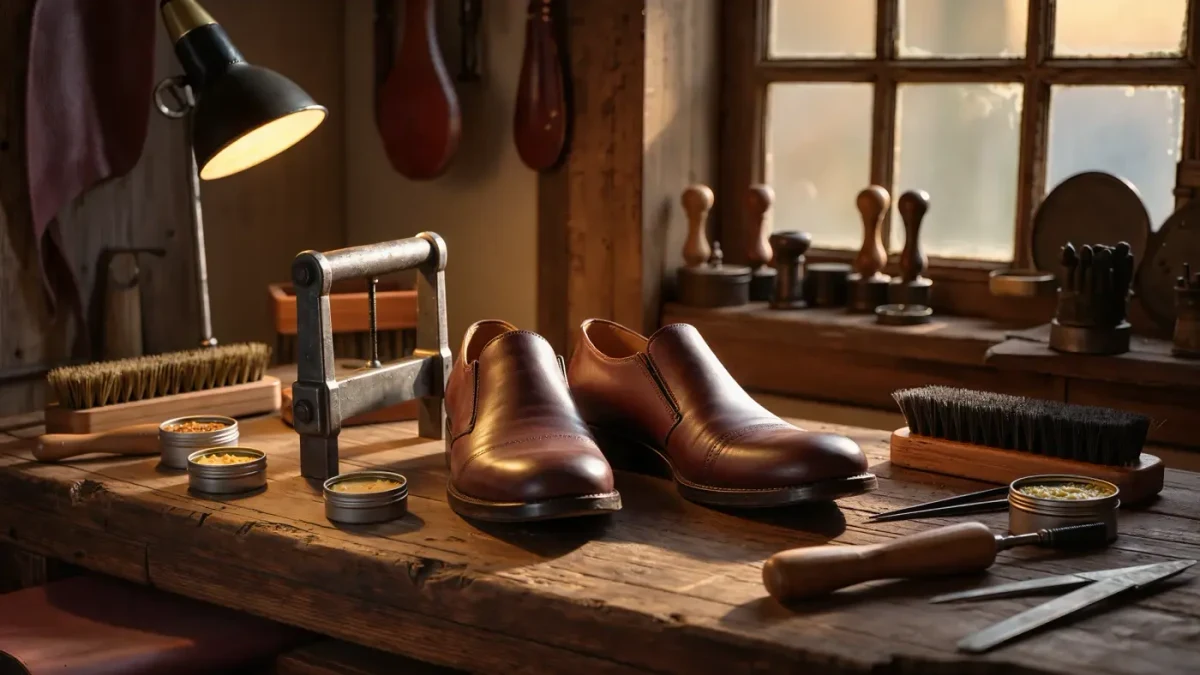
Four tools cover everything: a horsehair brush for daily dusting and buffing, cedar shoe trees for drying and holding shape, a cream conditioner matched to smooth leather, and a neutral or matching shoe polish with two cotton cloths. Add a small horsehair dauber for applying polish to the welt edges. A complete starter kit from a cobbler or a leather-care brand runs about $40–70 as of early 2026 — less than the price of resoling one pair, which typically costs $60–120 at a good shop.
One warning about trees: get cedar, not plastic. Cedar absorbs the moisture leather soaks up from your feet all day — that dampness is what eventually rots the lining and stiffens the leather. Plastic trees hold shape but manage no moisture, which is half the job. A pair of cedar trees costs $15–30 as of early 2026 and is the single highest-return item on the list.
What should I do after every wear?
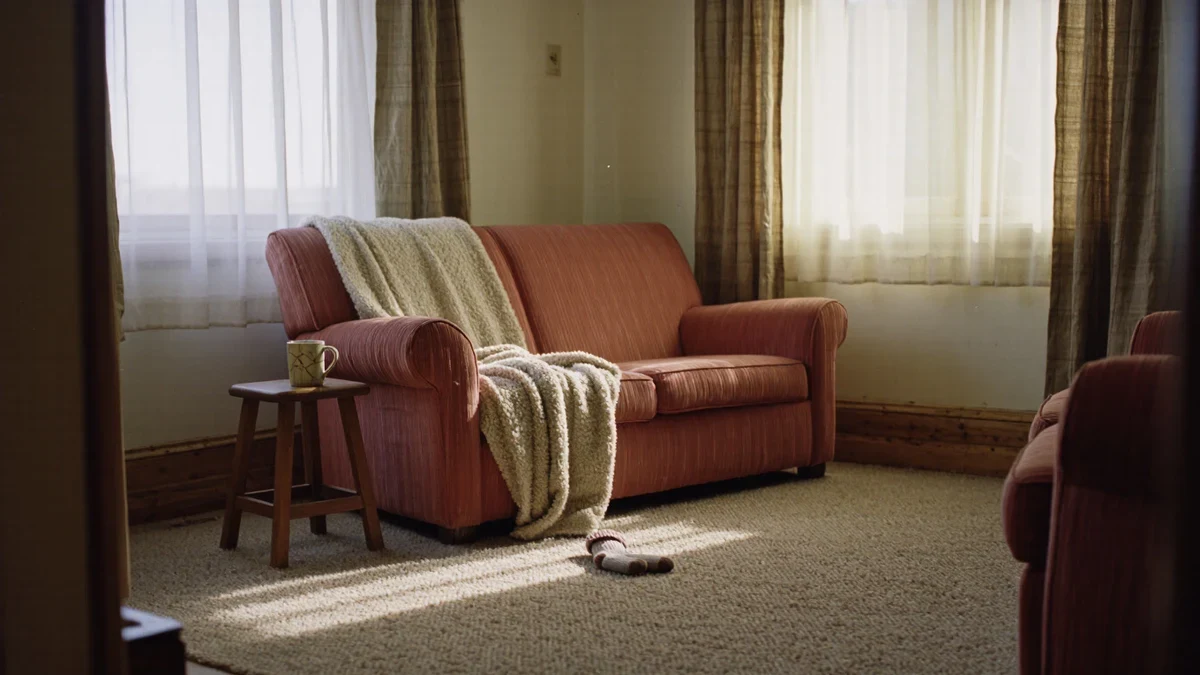
Two minutes, no exceptions worth making. Take the trees out of their resting spot and insert them into the shoes as soon as you're home — leather dries best while warm and shaped, so don't wait until bedtime. Give each shoe thirty seconds with the horsehair brush to lift off dust; dry dust is mildly abrasive and works into the finish exactly where it bends. Wipe off road salt or mud with a barely damp cloth and let them air-dry away from radiators.
And rotate. Wearing the same pair two days running is the fastest way to kill leather, because the shoes never fully dry between wears. Two alternating pairs with a rest day between wearings will outlast two pairs worn in strict alternation-by-destruction — it's the rest day, not the quantity, that does the work. If you wear dress shoes daily, three rotating pairs is the genuinely economical setup, however it feels at purchase.
How do I do the full clean and polish?
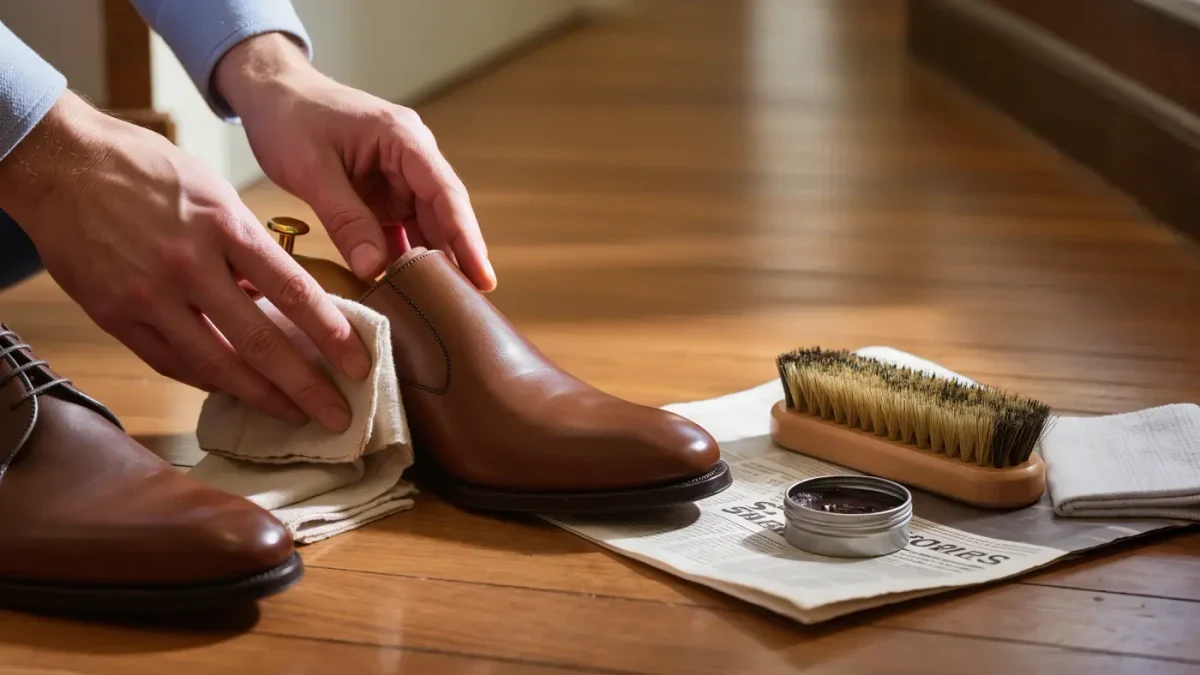
Every six to eight weeks, or after a soaked or salted winter day, give shoes the full cycle. It takes ten unhurried minutes per pair.
- Brush and wipe. Remove laces if you like working close to the tongue; brush off dust, wipe with a damp cloth, and let the leather dry completely.
- Clean if needed. If there's old polish buildup or grime, use a leather cleaner or a damp cloth with a drop of gentle soap; otherwise skip straight to conditioning.
- Condition. Work a pea-sized amount of cream conditioner in small circles over the whole upper with a cloth. Leather is skin; unconditioned skin cracks. Wait ten minutes, then buff off the excess.
- Polish. Apply wax or cream polish in thin circles with a dauber — thin layers beat one thick one. Rest five minutes, then brush vigorously with horsehair for shine.
- Buff. Final pass with a soft cloth. A single drop of water on the cloth gives you a brighter toe if you want it.
Conditioner every six to eight weeks is the important cadence; polish is for looks and a little weather protection. Don't over-condition — soggy leather loses structure just like cracked leather does.
What about suede, rain, and long-term storage?
Suede follows different rules: no conditioner, no wax. Use a crepe or brass-bristle suede brush for dry dirt, a suede eraser for scuffs, and a spray protector applied outside, monthly in wet seasons. If suede gets soaked, stuff it with paper, let it dry slowly, then brush the nap back up. Smooth leather and rain are fine together if shoes dry slowly at room temperature with trees in — direct heat is what cracks and shrinks leather, so radiators and hairdryers are off-limits.
For the off-season, clean, condition, and store shoes with trees in, in the dustbags or a ventilated box, away from sunlight. A pellicle of polish on the toe is fine. Twice a year — a good trigger is the daylight-saving clock change — check on stored pairs and recondition anything feeling dry. Following this routine, resoling becomes the only major expense you'll ever face on a good pair, and a resoled Goodyear-welted shoe is genuinely better than most new shoes at the same price.
FAQ
How often should I condition leather shoes?
Every six to eight weeks for shoes worn weekly; monthly for daily wear or dry climates. The honest test is touch — leather that feels dry or shows fine creasing that won't buff out is asking for conditioner, regardless of the calendar.
Can I use household products instead of shoe care gear?
A cotton t-shirt and a drop of gentle soap can stand in for a cloth and cleaner in a pinch, but skip kitchen oils and petroleum jelly — they soften leather unevenly and can rot stitching over time. A $40–70 starter kit as of early 2026 lasts years and is the cheaper path.
Are cedar shoe trees really necessary?
For any shoe you paid real money for, yes. Cedar pulls moisture out of the leather between wears, holds the shape, and keeps lining bacteria down — one $15–30 pair of trees routinely adds years of life. They're the least glamorous, most effective purchase in shoe care.