VO2max — how much oxygen your body can use per minute per kilogram of body weight — predicts long-term survival better than almost any routine health measure. In a 2018 Cleveland Clinic study of 122,007 patients published in JAMA Network Open, people with the lowest fitness faced higher mortality risk than participants who smoked or had diabetes.
This article explains what the research shows; it cannot diagnose anything about your individual fitness, and any new intense exercise plan deserves a conversation with your doctor first, especially with cardiac risk factors.
What exactly is VO2max?
VO2max is the ceiling on your aerobic engine. During exercise, your muscles burn oxygen to produce energy; VO2max measures the maximum rate at which your heart, lungs, and blood can deliver that oxygen and your muscles can use it. It is expressed in milliliters of oxygen per kilogram of body weight per minute (ml/kg/min).
The number is shaped by genetics, age, and training. It declines gradually with age — roughly 10 percent per decade in sedentary adults, according to research reviews — but regular aerobic exercise slows that decline substantially, and training at any age pushes the number up. Elite endurance athletes score in the 60s to 80s; typical untrained adults in midlife often sit in the high 20s to mid-30s. Both age and sex have reference ranges, which is why fitness trackers compare you to people in your bracket rather than to Olympians.
What does it predict, and how well?
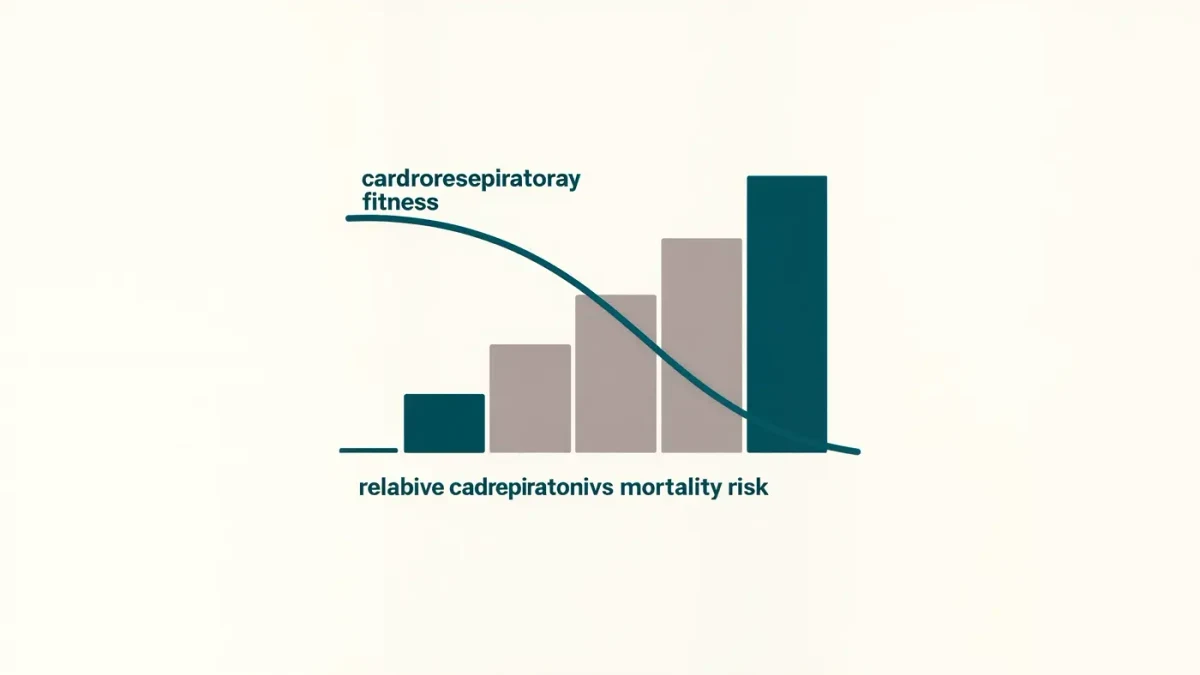
The JAMA Network Open study (Mandsager et al., 2018) is the most quoted evidence, and for good reason: across 122,007 patients tested on treadmills at the Cleveland Clinic, cardiorespiratory fitness was a stronger predictor of survival than smoking, diabetes, or heart disease itself. There was no upper limit — the fittest group did best, with no evidence of a point where more fitness stopped helping.
Larger-scale support comes from cohort research stretching back decades: the Cooper Institute's Aerobics Center Longitudinal Study and multiple analyses published in JAMA and its network journals have linked higher cardiorespiratory fitness with lower all-cause mortality and lower rates of cardiovascular events, type 2 diabetes, and several cancers. Fitness also has immediate, unglamorous payoffs — climbing stairs without pausing, carrying luggage, keeping up with children — which are essentially VO2max expressed in daily life.
One honest caveat: observational studies show association, and fit people differ from unfit ones in other ways. But the dose-response pattern appears consistently across dozens of cohorts and populations, which is why the American Heart Association has argued cardiorespiratory fitness should be treated as a clinical vital sign.
How do I find my number?
The gold standard is a lab test on a treadmill or stationary bike with a mask measuring your oxygen uptake — a cardiopulmonary exercise test, usually through a sports-medicine clinic. It is accurate but costs money and effort.
For most people, estimates are enough. The two most practical routes:
- Fitness watches and rings: they estimate VO2max from heart-rate response during runs or walks. Accuracy is imperfect — studies comparing consumer devices against lab tests find errors often in the 5 to 15 percent range — but the trend line matters more than the raw number. If your estimate climbs over six months, your fitness is improving.
- The Cooper 12-minute run test: run or walk as far as you can in 12 minutes on a track; a simple formula converts distance into an estimated VO2max. A one-mile brisk walk test is a lower-intensity alternative.
Whichever method you use, keep it consistent — the same device, the same type of route — so your before-and-after comparison is honest.
How do I improve it?
Two kinds of work do the job, and the best programs combine them:
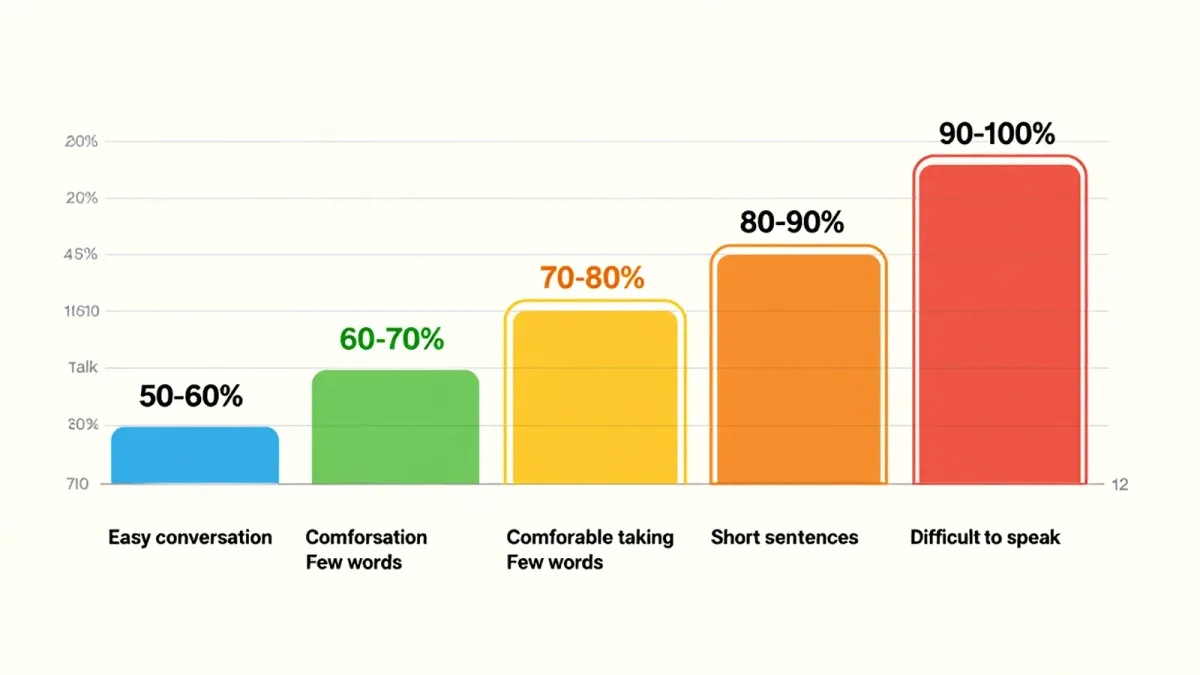
- Base volume (most of your time): 120 to 150+ minutes per week of moderate aerobic work where you can talk but not sing — brisk walking, cycling, easy jogging. The Physical Activity Guidelines for Americans (HHS, 2nd edition, 2018) set 150 minutes as the baseline; the National Institute on Aging notes that endurance work at this level improves heart and lung function at every age.
- Intervals (smaller doses, bigger stimulus): once or twice a week, add short harder efforts — for example, 4 to 6 rounds of two to three minutes fast with two minutes easy between. Higher-intensity protocols have shown VO2max improvements of roughly 10 to 15 percent within eight to twelve weeks in previously inactive adults, according to randomized trial literature on high-intensity interval training.
Beginners should earn the right to intervals: four to six weeks of regular base walking or cycling first, then add one hard day. Unfit beginners often see the fastest improvements of anyone — a fitness age that "moves" five to ten years on paper within a year is realistic for someone starting from a low base, because there is simply more room to climb.
Body weight matters too, since the denominator is per kilogram. Losing excess weight and adding aerobic minutes both move the number, which is one reason walking programs so reliably improve it in beginners.
Does it matter if I'm already over 50?
It matters most at that stage. The age-related decline is real, but the JAMA Network Open analysis and other cohort work found that being unfit carried high risk at every age, and exercise trials in adults in their 60s and 70s show VO2max gains similar in direction to younger participants, just slightly slower. The National Institute on Aging recommends endurance activity as one of four exercise types for older adults, alongside strength, balance, and flexibility work. If you have chest pain, unexplained shortness of breath, or cardiac risk factors, get cleared by a physician before hard intervals — that is a rule, not a formality.
Think of VO2max as the one fitness number worth watching for the rest of your life. Estimate it, nudge it up with regular aerobic work and occasional intensity, and let the trend — not a single reading — tell you the story.
Frequently asked questions
Are fitness-watch VO2max readings accurate?
They are estimates with errors often in the 5 to 15 percent range compared with lab tests, according to validation studies of consumer wearables. Use the number as a personal trend line rather than a medical measurement: if it rises steadily over months, your cardiorespiratory fitness is genuinely improving.
Is walking enough to raise VO2max?
For sedentary beginners, yes — brisk walking at a pace where conversation is possible reliably improves VO2max, especially early on. After a few months, progress slows unless you add duration, hills, a weighted vest, or short faster intervals to keep the stimulus above what your body already handles.