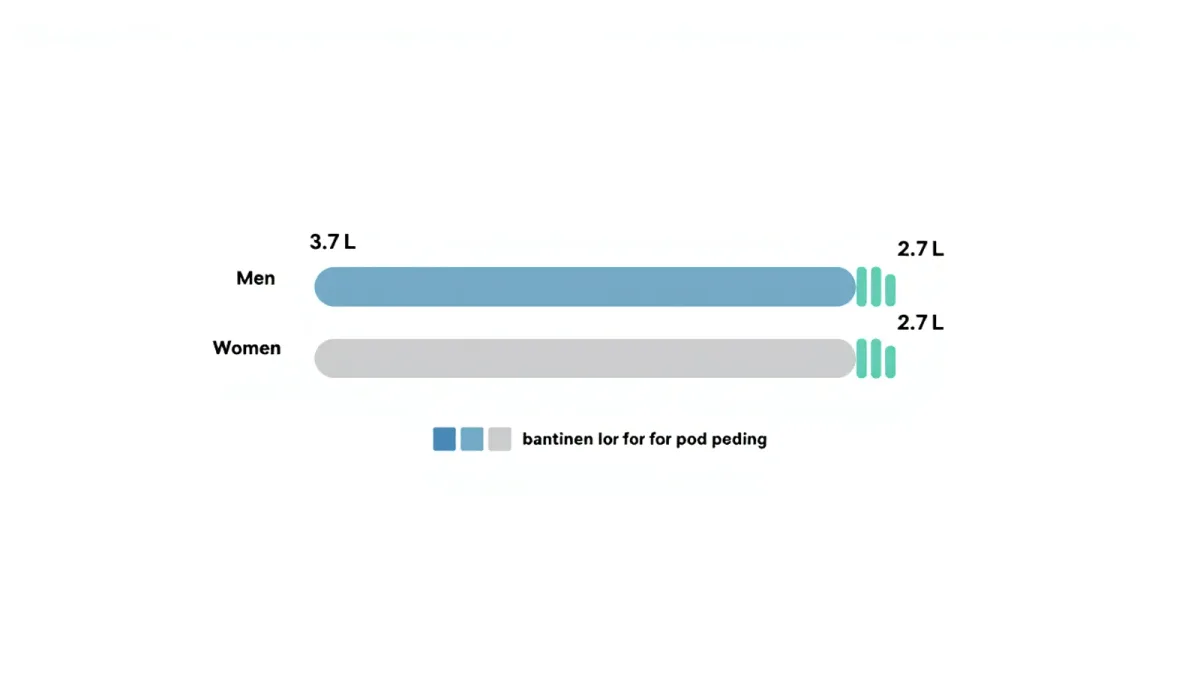
The eight-glasses rule has no scientific basis: it traces back loosely to a 1945 food and nutrition recommendation whose key second sentence — most of this quantity is contained in prepared food — is usually left out, and no controlled study supports a universal 64-ounce target. The National Academies of Sciences, Engineering, and Medicine sets adequate daily total water intake at about 3.7 liters for men and 2.7 liters for women as of its 2004 reference, and that figure includes water from food and every other beverage.
Kidney disease, heart failure, and certain medications change fluid needs in both directions, so people with those conditions should follow a clinician's numbers, not a magazine's.
Where did the eight-glasses rule come from?
Historians of nutrition generally trace it to the U.S. Food and Nutrition Board's 1945 recommendation to consume about 2.5 liters of water daily — followed immediately by the sentence most people never see, noting that much of it is already in food. Fruits, vegetables, soups, milk, coffee, and tea all contribute; dietitians estimate food alone typically supplies about 20 percent of daily water intake, and cucumber or watermelon are over 90 percent water by weight. Somewhere in repetition, the qualifier vanished and 64 ounces became a commandment. It survives because it is memorable, not because it is measured.
Should I just drink when I am thirsty?
For most healthy adults, yes. The 2004 National Academies report stated plainly that the vast majority of healthy people adequately meet their hydration needs by letting thirst be their guide. Thirst is a regulated feedback signal processed by the hypothalamus, not a late warning that has already failed — the idea that you are dangerously dehydrated by the time you feel thirsty is a marketing claim more than a physiological one.
Two groups are genuine exceptions. Older adults have a blunted thirst sensation, which is why the National Institute on Aging advises older people to drink regularly through the day rather than waiting for thirst. And during prolonged heavy sweating — hard endurance efforts, hot outdoor work — planned drinking beats drinking to thirst, because thirst can lag behind sweat losses in the moment.
Does coffee dehydrate you?
Not meaningfully at normal intakes. The diuretic effect of caffeine is mild and diminishes with regular use, and research reviewed by sports nutrition bodies, including a widely cited 2014 analysis by Lawrence Armstrong and colleagues published in Frontiers in Nutrition, found no meaningful difference in hydration status between regular caffeine consumers and non-consumers across 13 studies. Your morning coffee and afternoon tea count toward fluid intake; the NIH Office of Dietary Supplements notes a brewed 8-ounce cup of coffee contains roughly 80 to 100 milligrams of caffeine, an amount whose fluid contribution comfortably outweighs its diuretic nudge.
The honest caveat: caffeine sensitivity varies. If a late espresso costs you sleep, the sleep debt is a bigger problem than the hydration question, which for you was never a question at all.
What should my urine look like?
Pale straw to light yellow. Urine color is a rough but genuinely useful gauge — the U.S. Army's fluid replacement guidance uses urine color charts, and sports medicine groups have validated simple color scales against lab measures of hydration. Dark amber means drink; completely clear all day can mean you are overdoing it. Overhydration is a real thing: drinking far beyond thirst can dilute blood sodium, a dangerous condition called hyponatremia, which exercise physiologists documented among slow marathon finishers who drank aggressively at every station. Water is not a toxin-flush; the kidneys do that work continuously, and more water does not make them better at it.
Do I need electrolyte drinks and smart bottles?
For ordinary days, no. Sports drinks earn their place during sustained heavy sweating — roughly 60 to 90 minutes or more of hard effort, or long exposure to heat — when you lose both fluid and sodium, and the American College of Sports Medicine guidance centers electrolyte replacement on exactly those conditions. For a desk day, water, coffee, tea, and food cover it, and an electrolyte packet is a flavored upsell.
Smart bottles that nag you to 64 ounces solve a problem most adults do not have and can nudge sensitive people toward overhydration. If reminders help you drink because you genuinely under-drink, use one — just point the target at pale urine and steady energy rather than an arbitrary ounce count.
FAQ
How much water should I drink when exercising?
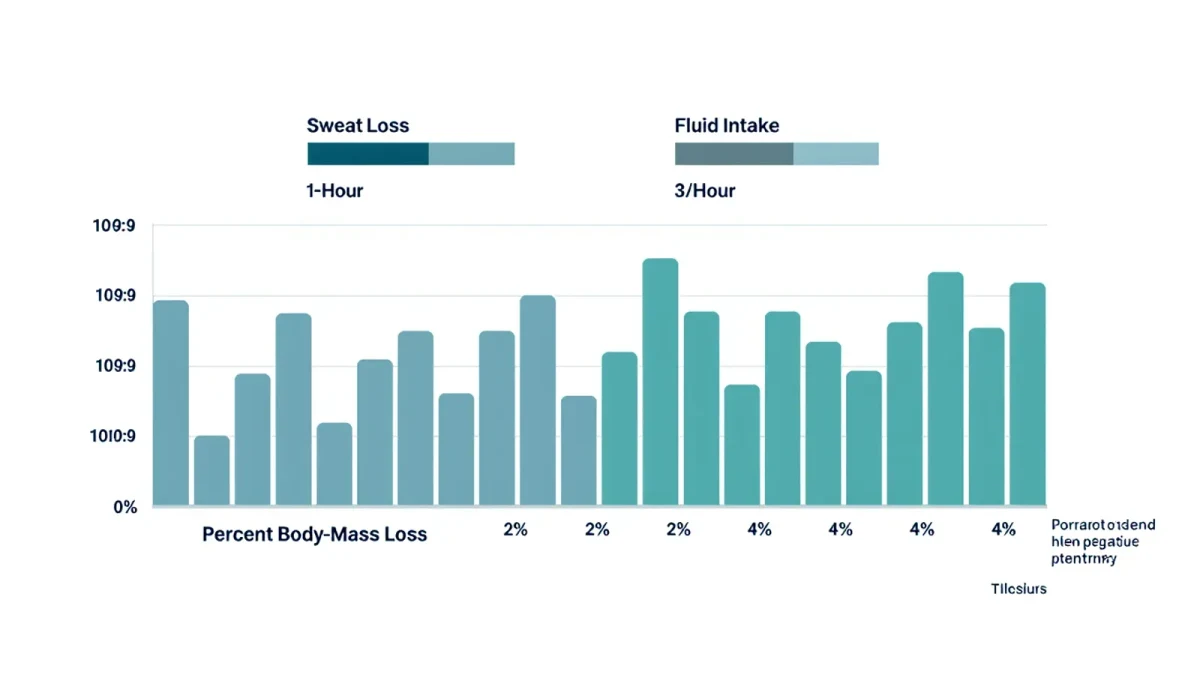
Sports medicine guidance suggests drinking during exercise to limit body-mass loss to roughly two percent, which for most people means sipping about half a liter per hour of hard effort, more in heat. Weigh yourself before and after a long session occasionally; each pound lost represents about 16 ounces of sweat, and that deficit is the number to replace.
Does sparkling water or tea count?
Yes, essentially all of it counts. The old idea that caffeine-containing drinks do not contribute to daily fluid needs has not held up in controlled research, and carbonation changes nothing nutritionally. The only drinks that complicate the ledger are alcoholic ones, which have a genuine diuretic effect and should not be counted toward hydration.
Can drinking more water improve my skin?
The evidence is thin. A small number of studies suggest extra water may modestly affect skin hydration levels in people who were drinking very little to begin with, but dermatologists, including reviewers writing for the National Institutes of Health-adjacent literature, note that skin appearance depends far more on barrier care, sleep, and genetics than on ounce counts. If you already produce pale urine, more water will not upgrade your complexion.