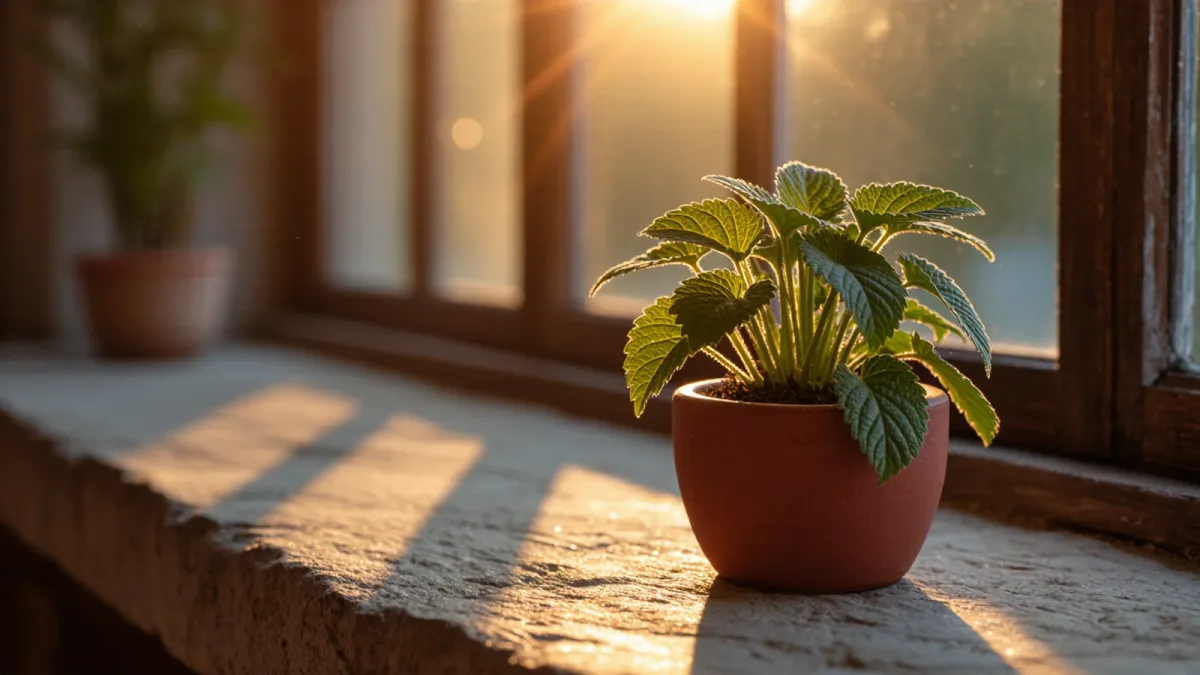
Getting bright light within the first hour or two of waking is one of the simplest ways to support daytime energy, because morning light is the main signal that sets your circadian clock — research summarized by the National Institute of General Medical Sciences shows light exposure is the primary synchronizer of the roughly 24-hour circadian cycle as of 2024. Even 10 to 30 minutes outdoors can do it.
If you have an eye condition, take photosensitizing medication, or experience persistent low mood or sleep problems, talk with a clinician before making big changes to your light routine.
Why does morning light affect my energy all day?
Your circadian system keeps time mostly through light hitting specialized cells in the retina, which send signals to a cluster of neurons in the brain called the suprachiasmatic nucleus — the master clock. The National Institute of General Medical Sciences explains that this clock coordinates hormone release, body temperature, and alertness across the day. When morning light arrives on schedule, your brain gets a timestamp: this is when the day starts. That timestamp makes the alerting signal peak at the right hours and makes evening melatonin rise on time, so you feel awake when you need to work and sleepy when you need to sleep.
Skipping that signal works the other way. Dim indoor mornings leave the clock drifting later, which is one reason a late weekend lie-in can make Monday feel like jet lag. The fix is not more willpower. It is a brighter, earlier light cue.
How much morning light do I actually need?
Indoor light usually measures 100 to 500 lux, while an overcast morning outdoors measures roughly 1,000 to 10,000 lux and a sunny one far higher — a contrast researchers at institutions such as Monash University highlighted when they recommended daytime outdoor light exposure of at least 250 lux to support healthy sleep and mood as of 2023. The practical takeaway: most people need 10 to 30 minutes outdoors in the morning, closer to the 30-minute end on gray or winter days and closer to 10 on bright ones.
Light through a window does not count for much. Glass and distance cut intensity dramatically, and a sunny window at two meters away delivers a fraction of what the open sky does. Sitting on a balcony, walking the dog, or drinking your coffee on a stoop all work. The goal is sky view, not direct sun on your face — looking generally toward the bright sky is enough; never stare at the sun.
What if I live somewhere dark or wake before sunrise?
In winter at northern latitudes, sunrise can fall well after your alarm. Options, in order of preference:
- Anchor to available daylight. Get outside as soon as the sun is up, even if that is mid-morning. A 15-minute walk at your first break still gives the clock a strong cue.
- Use a light box on dark mornings. The Mayo Clinic notes that 10,000-lux light therapy boxes, used for about 20 to 30 minutes shortly after waking, are a standard option for seasonal low mood. Position it at an angle to your face rather than staring directly into it.
- Stack light onto something you already do. Morning commute on foot, coffee outside, stretching on a balcony — habits attached to existing routines survive longer than standalone chores.
A light box is a supplement, not a replacement. On any day when outdoor light is available, real daylight wins, because its intensity and spectrum are hard to replicate.
Does evening light matter as much?
It does, because the same system that reads morning light as a start signal reads bright evening light as a delay signal. Bright overhead lighting and close-range screens late at night push your clock later, which makes the next morning harder. A useful rule from sleep researchers is bright mornings, dim evenings: after sunset, keep lamps low and warm, and if you must work late, put the brightest source behind or beside you rather than directly in your eyes. You do not need to live in candlelight — lowering intensity by half and keeping screens at arm's length is a reasonable middle ground.
How do I build the habit without it becoming a chore?
Treat morning light like breakfast, not exercise: something you simply have, not something you score. A realistic week looks like this:
- Pick a fixed outdoor slot. Same 15 minutes every weekday, attached to coffee, a walk, or transit. Weekend timing can flex within an hour.
- Lower the bar for bad days. Five minutes on the doorstep counts. Consistency of the signal matters more than duration of any single morning.
- Track it loosely for two weeks. Most people notice the afternoon slump softening first, then find waking up before the alarm easier. The National Sleep Foundation describes well-timed light exposure as a foundational sleep hygiene behavior for exactly these reasons.
FAQ
Do I need to see the sunrise for it to work?
No. Circadian researchers note that the benefit comes from bright ambient light reaching your eyes, not from witnessing the event itself. An overcast sky at 8 a.m. delivers many times more lux than your kitchen, so a plain morning walk is enough. What matters is timing within a couple of hours of waking and getting outside, or using a 10,000-lux box when sunrise is far off.
Will sunglasses block the benefit?
Dark sunglasses reduce light reaching the retina substantially, so they do blunt the signal — which is sometimes useful, like when your schedule demands bright light late in the day. On your normal morning walk, wear them only if glare or eye sensitivity genuinely requires it. Clear or lightly tinted lenses are a compromise that keeps most of the morning cue intact.
How long before I notice a difference in energy?
Circadian researchers generally describe clock adjustment as taking a few days to about two weeks of consistent timing. Many people report steadier afternoons within the first week, while easier wake-ups tend to follow once the clock has shifted earlier. If you keep the routine daily and notice nothing after a month, the cause of your low energy likely sits elsewhere, and a clinician is a better next step than a longer walk.