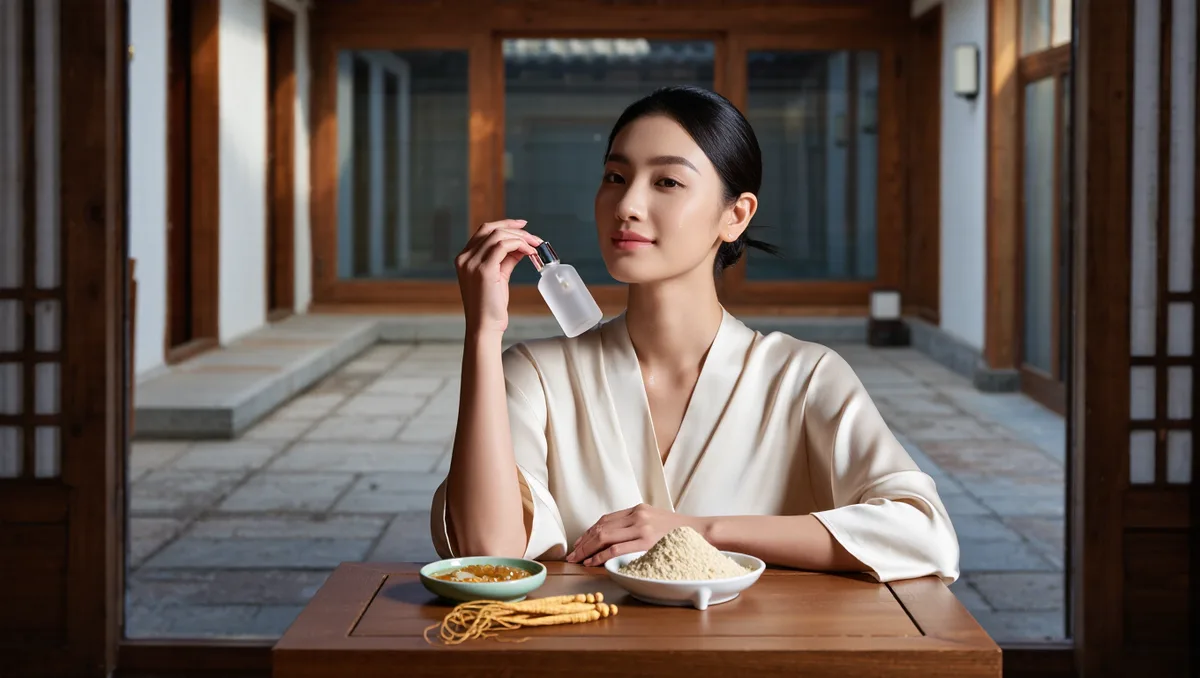
Hanbang is the Korean term for traditional herbal medicine, and in skincare it means formulas built on ingredients like rice bran, ginseng, green tea, goji berry, and honey. A hanbang routine is not a separate system. It uses the same thin-to-thick layering order as any modern routine, just with different star ingredients. Start with two or three products, not a full shelf.
The appeal is practical. Many hanbang formulas lean on gentle, food-derived ingredients rather than strong actives, which makes them an easy entry point if your skin is reactive or you are new to serums. That said, gentle does not mean nothing is happening, and it does not mean every skin will agree with every herb. Patch-test as you would with anything new.
One useful framing before we start: what counts as beautiful skin is partly a matter of taste and partly a matter of shared standards. Wikipedia's overview of beauty notes that judgments of beauty rest on subjective feelings while claiming general agreement at the same time — which is a polite way of saying that no routine, hanbang or otherwise, produces one correct face. The goal here is skin that feels comfortable and behaves, not a specific look.
What is hanbang, exactly?
Hanbang (한방) literally means the Korean school of traditional medicine, and its skincare branch draws on ingredients documented in Korean herbal practice: rice, ginseng, licorice root, mugwort, green tea, honey, and orchid extracts, among others. Brands like Beauty of Joseon built their line around these ingredients paired with modern cosmetic chemistry — think a ginseng essence water or a rice-based cream with niacinamide in the formula.
Two things are true at once. These ingredients have long histories of use in Korean households, and their modern cosmetic versions are formulated, preserved, and tested like any other skincare product. The history gives them character; the chemistry is what makes them stable on a bathroom shelf. Treat the herbal story as context, not as a medical claim.
Our take: hanbang's real value for a beginner is its restraint. The philosophy favors supporting the skin barrier over attacking it, which pairs well with the moisturizer ingredients that actually do the work rather than a shelf of harsh actives. This connects to our earlier piece, Niacinamide for Oily Skin: What the Evidence Actually Supports.
Which Beauty of Joseon products make sense first?
If you are buying two, buy a hydrating layer and a sunscreen. If you are buying three, add a serum targeted at your main concern. A sensible beginner shortlist:
- A hydrating toner or essence. A ginseng or rice-based essence water is the classic first step after cleansing. It adds a layer of hydration that the next products lock in.
- A serum for your one main concern. The Glow Serum pairs propolis with niacinamide — if niacinamide is new to you, our guide to what the evidence actually supports for niacinamide covers what to expect.
- A moisturizer. A rice or ginseng cream seals the routine. Choose texture by skin type: lighter gel-creams for oily skin, richer creams for dry.
- Sunscreen. The Relief Sun line is the brand's best-known product. If you are unsure what the number on the tube means, start with what the SPF number actually means.
Prices on these run in the affordable range for skincare, which is part of the brand's pitch — but check current prices at retailers, because they move. Prices are subject to change.
How do you layer it into an existing routine?
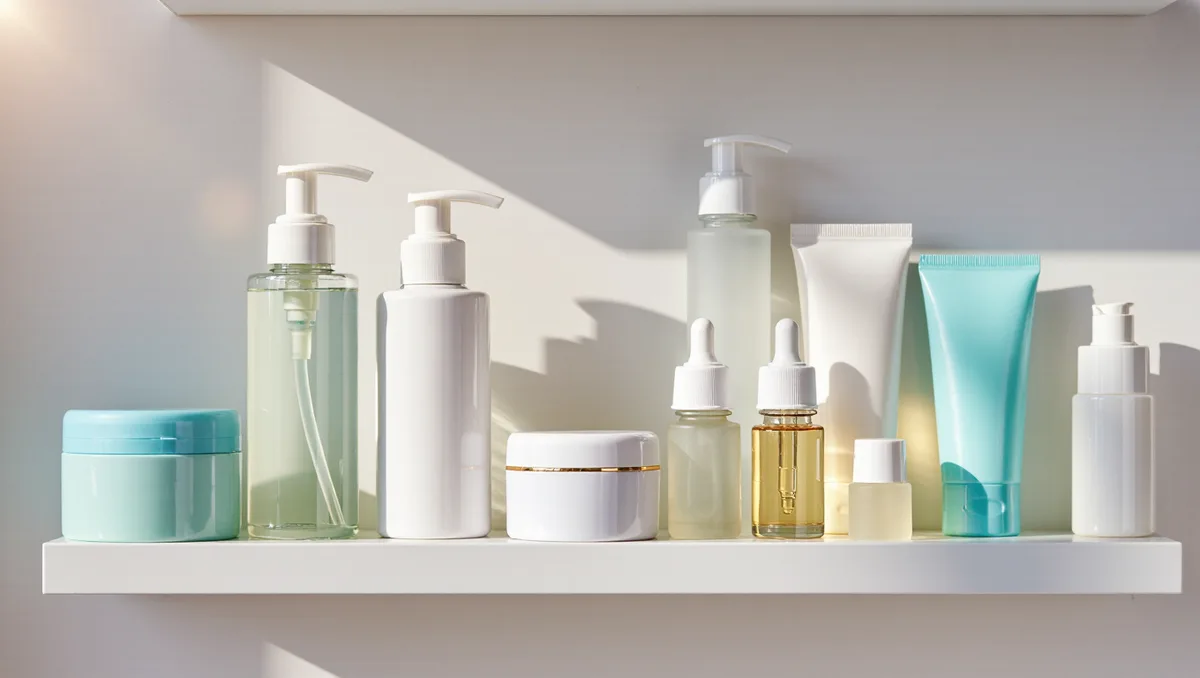
You do not need to rebuild anything. Hanbang products slot into the standard order. If you need the full refresher, our guide to the correct order to layer skincare, morning and night covers it in detail. The short version:
- Cleanse. Oil cleanser at night if you wear makeup or sunscreen; a gentle second cleanse after.
- Hydrating layer. Your essence or toner, patted on damp skin.
- Treat. Your serum. If you also use a prescription or strong active like retinol, that goes here — see our beginner retinol schedule for how to introduce it without irritation.
- Moisturize. Cream over everything to slow water loss.
- Sunscreen. Morning only, every day, as the final step.
The one rule worth repeating: thinnest to thickest. Watery essences before creams, always. And when you add a new hanbang product, add one at a time, a week or so apart, so you can tell what your skin actually likes.
What should a beginner actually expect?
Expect hydration and comfort first, visible change slowly, if at all. Herbal ingredients like rice extract, ginseng, and green tea are generally positioned by brands as soothing and antioxidant-supporting. Those are reasonable expectations for well-formulated cosmetics — but they are not overnight transformations, and no brand claim should be read as a promise of a specific result.
Also expect some trial and error. Honey and propolis suit many people, but anyone with sensitivities should read ingredient lists carefully. Fragrance can appear in some formulas. If your skin stings or flushes with a new product, stop using it; that is not a purging phase, that is a mismatch.
What this means for your wallet: hanbang is one of the cheaper ways to explore Korean skincare, because the hero products are single-digit to low-double-digit items rather than luxury creams. You can build a complete three-step routine for less than the cost of one department-store serum. That math matters more than any ingredient story.
Common mistakes with a hanbang routine
- Buying the whole line at once. Six new products means you cannot tell which one caused a reaction. Three is plenty to start.
- Skip the sunscreen. No herbal routine offsets daily sun exposure. Sunscreen is the step that protects everything else you are doing.
- Layering over strong actives carelessly. Hanbang products are gentle, but combining many new things with retinol or acids invites irritation. Introduce separately.
- Expecting medicine from cosmetics. These are cosmetic products. For a skin condition, a dermatologist is the right first stop, not a serum.
Where hanbang fits in a long-term routine
The honest answer is that hanbang is a flavor of routine, not a separate destination. Its ingredients overlap heavily with what modern formulators use everywhere — antioxidants, humectants, barrier lipids. What the tradition adds is a bias toward gentleness and layering hydration, which is a genuinely useful default if your skin is dry, sensitive, or simply tired of strong actives.
Start small, layer in order, patch-test, and keep the sunscreen non-negotiable. If the herbal angle draws you in for the ritual as much as the results, that is a fine reason too — a routine you enjoy is one you will actually keep. And consistency, more than any single ingredient, is what a routine is for.