If a drugstore moisturizer lists ceramides, glycerin, or urea near the top of its ingredient panel, it can genuinely compete with products costing five times as much: these three have decades of published research behind them, unlike most luxury actives. Glycerin is such an effective humectant that it appears in a large share of moisturizers studied in dermatology literature, and per the American Academy of Dermatology, ingredients that repair the skin barrier — ceramides chief among them — are the backbone of recommendations for dry and eczema-prone skin. The price tag rarely reflects the ingredient panel. It reflects packaging, fragrance, and marketing.
VOLEWO publishes information, not medical or skincare advice. For diagnosed eczema, psoriasis, or a rash that will not settle, see a dermatologist or your doctor — urea products above 10% in particular are often positioned as over-the-counter therapeutic products in some markets. What follows reflects published dermatology sources and product labeling as of 2026.
What do ceramides actually do for your skin?
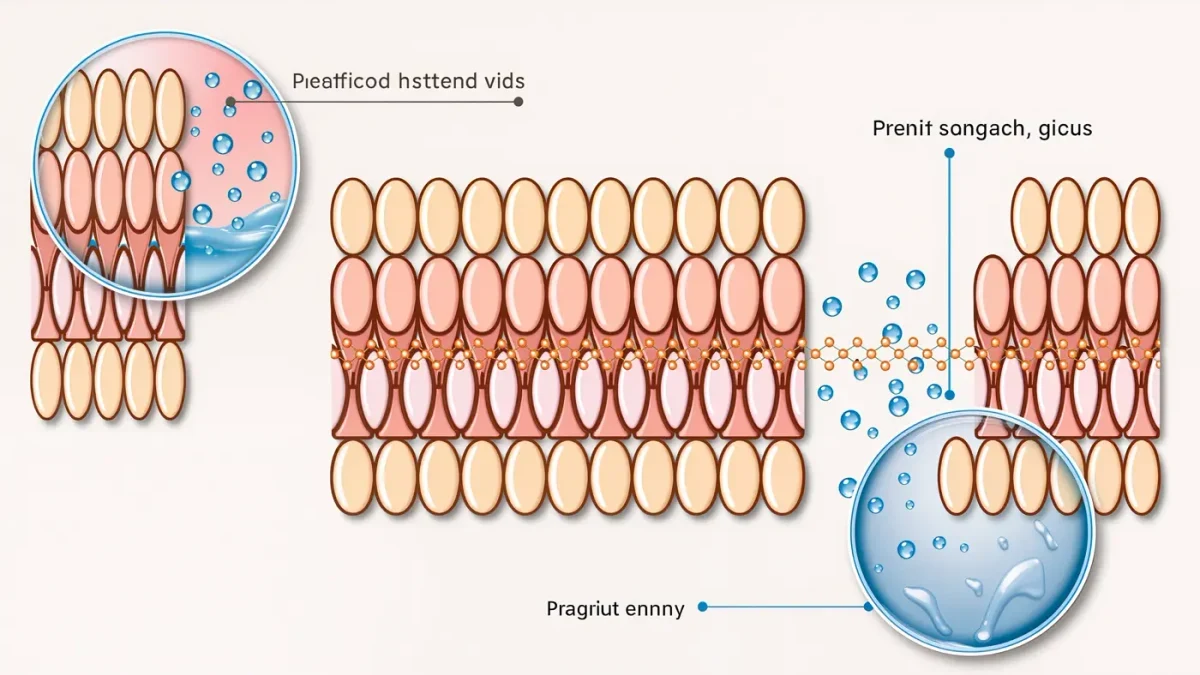
They rebuild the mortar between your skin cells. Roughly half of the outer skin layer's composition is a lipid matrix in which ceramides are the dominant family — around 50% by weight per dermatology reviews — and that matrix is what keeps water in and irritants out. Skin with depleted ceramides loses more moisture and reacts more readily; this depletion is documented in eczema research. In a frequently cited 2014 randomized study published in the Journal of Drugs in Dermatology, a ceramide-containing moisturizer significantly improved skin hydration and reduced dryness markers versus vehicle over four weeks. On a label, look for the words ceramide NP, AP, or EOP, ideally listed before fragrance-free formulas load up the bottom of the INCI list. And a cholesterol-plus-fatty-acids-plus-ceramides blend, sometimes marketed as a ratio, mimics the skin's own lipid mix — that is the formulation logic behind several major drugstore lines.
Why is glycerin in almost every moisturizer?
Because it is the most reliably effective humectant cosmetic science has. Glycerin pulls water into the outer skin layer from the air and from deeper layers, and per the AAD's guidance on dry skin care, humectants are a core category of any functioning moisturizer. The evidence is not glamorous but it is deep: a 2016 review in the Journal of Clinical and Aesthetic Dermatology described glycerin as the benchmark humectant against which alternatives are measured, noting its role in improving hydration and barrier recovery in multiple trials. Two practical notes. First, glycerin works best when sealed under an occlusive — in dry winter air, a humectant alone can theoretically pull moisture the wrong way, which is why the classic pairing of a glycerin serum under a cream works so well. Second, high on the ingredient list (top five) means a meaningful concentration; buried after fragrance, it is mostly label decoration.
What does urea do that other ingredients cannot?
Two jobs at once: it hydrates and it gently dissolves dead skin buildup. Urea is a natural moisturizing factor component — your skin already produces it — and at concentrations around 5 to 10% it acts as a humectant, while at 10% and above it becomes keratolytic, meaning it softens and loosens the compacted dead cells that make heels, elbows, and shins feel like sandpaper. A 2012 systematic review in the British Journal of Dermatology concluded that urea-containing moisturizers improved skin hydration and barrier function in dry skin conditions, with effects scaling with concentration. This is why urea foot creams are a pharmacy staple. If your body skin is merely a bit dry, 5% is plenty; if you are working on genuinely rough patches, 10% or more, and per product labeling the higher strengths typically carry usage cautions for broken skin.
Which drugstore ingredients are mostly marketing?
Anything whose main evidence lives in the brand's own brochure rather than published literature. Without naming brands, the pattern to recognize: exotic plant extracts and proprietary "complexes" usually appear at concentrations below 1% — a threshold cosmetic chemists call the fairy-dust zone, because INCI rules allow listing after the 1% line in any order. They smell lovely and cost money; they rarely change skin. The AAD's own dry skin guidance keeps its ingredient shortlist boring on purpose: petrolatum (an occlusive so effective the FDA historically used it as a reference standard), mineral oil, glycerin, ceramides, hyaluronic acid, dimethicone, lanolin, and urea. If a $9 drugstore cream is built from those and a $90 cream is built from extracts, the cheaper one is frequently the better formulation for the job.
How do you match an ingredient to your skin type?
- Dry, tight, flaky skin: ceramides plus an occlusive like petrolatum or dimethicone. Apply to damp skin within a couple of minutes of washing — the AAD notes this timing meaningfully boosts hydration.
- Oily but dehydrated skin: glycerin and hyaluronic acid in a gel-cream texture; skip heavy occlusives on the face.
- Rough body patches (heels, elbows, shins): urea at 10%+, ideally in a cream applied at night under cotton socks or sleeves.
- Sensitive or reactive skin: ceramides with a short ingredient list, fragrance-free, and ideally with niacinamide, which has published barrier-supporting evidence of its own.
One check worth developing: flip any moisturizer over and scan the first eight ingredients. If glycerin sits there, the hydration claim is real. If ceramides or urea appear, the repair claim has a mechanism. That fifteen-second habit is worth more than any counter demo.
FAQ
Is an expensive moisturizer ever worth it? When it offers a texture, fragrance experience, or elegant finish you genuinely enjoy — those are real pleasures, just not clinical ones. On pure performance for dry skin, published comparisons repeatedly find affordable ceramide and glycerin formulas holding their own against luxury counterparts. Buy the expensive jar with clear eyes: you are paying for the experience, not superior hydration.
Can I use urea on my face? Yes, at low strengths. Around 5% urea appears in facial moisturizers, mainly in German and Japanese pharmacy brands, and it hydrates gently. Save the 10%-plus foot and body creams for below the neck — on facial skin they can sting and are simply more than most faces need.
Do I need all three ingredients in one product? No — one product per job is enough. A ceramide cream for daily face use, a plain glycerin-based hydrator if your skin runs oily, and a 10% urea body cream for rough patches covers essentially everything. Skin does not care about coverage; it responds to the ingredients it actually receives.