Jeans listings read like a code sheet: high rise, 30 inch inseam, straight leg opening, selvedge edge. None of it is marketing fluff. Each term names a measurement that changes how a pair of jeans sits, moves, and ages. Here is what each one means, and how the fabric itself shapes the fit.
Start with the cloth, because denim is not a neutral canvas. It is a sturdy cotton textile woven in a twill, where the weft passes under two or more warp threads. That weave makes the diagonal ribbing you can feel on the inside of any pair. In indigo denim, the warp is dyed and the weft stays white, so jeans are blue outside and pale inside. For related coverage, see Givenchy Gets a New CEO, and LVMH Is Clearly Impatient.
Rise: Where the Waistband Sits
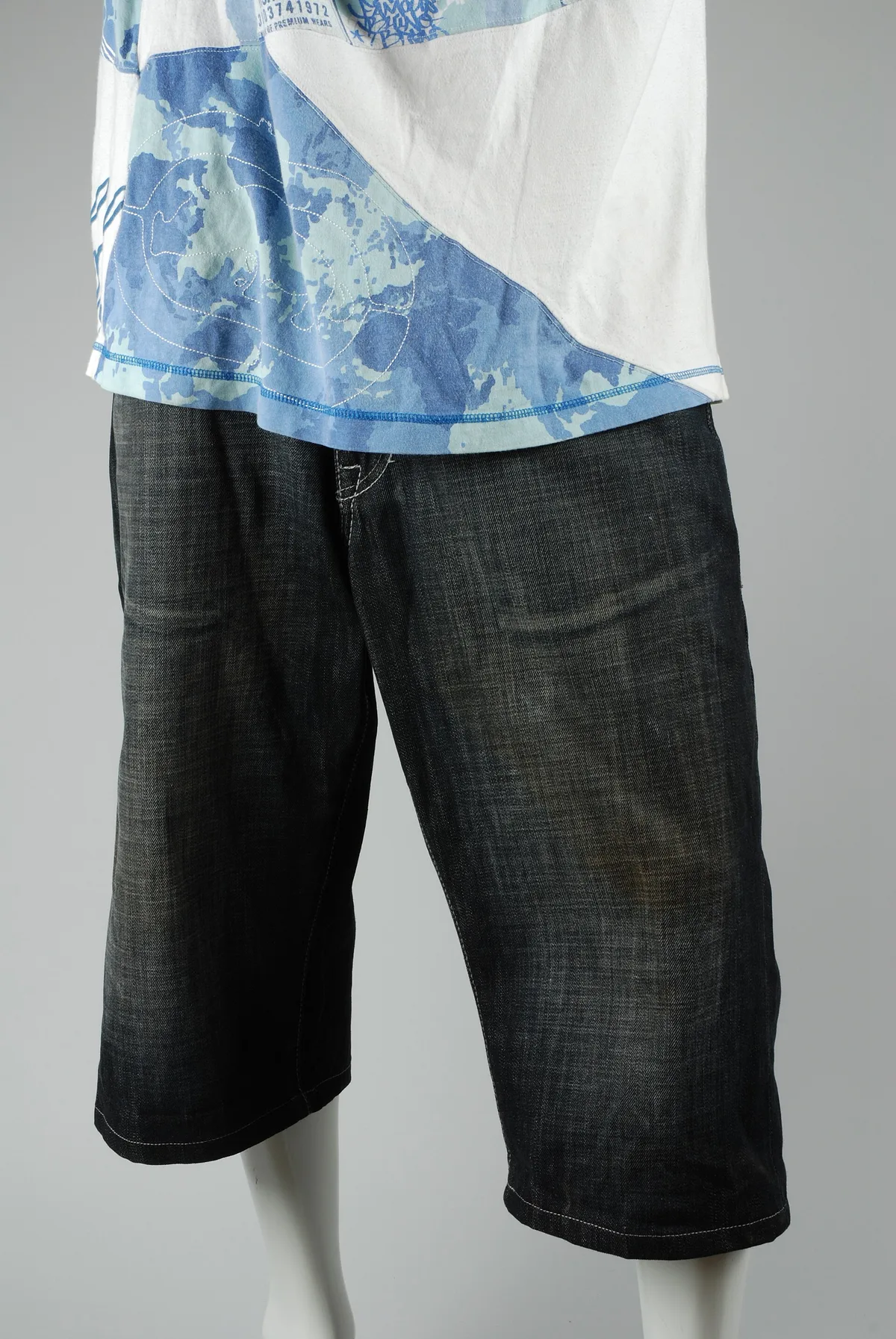
Rise is the distance from the crotch seam to the top of the waistband, and it decides where the jeans rest on your body. Low-rise styles sit well below the waist; high-rise styles sit at or above the navel. Fashion history treats this as a real lever. Among skaters and in 1990s hip hop, low-rise baggy trousers worn to expose underwear became a defining look called sagging. A higher rise changes posture as well as look: it sits at the natural waist, holds more of the seat, and pairs well with a belt through the waistband loops.
Inseam: The Length Measurement
The inseam runs from the crotch seam down the inner leg to the hem. It is the number that decides where the jeans end. Trouser-makers finish the leg bottom by hemming to prevent fraying, and jeans follow the same logic: the inseam you buy should match where you want the fabric to stop. Too short and the pair looks cropped; too long and the extra fabric stacks at the ankle or gets rolled into a cuff, which adds its own look and weight.
Leg Opening: The Hem's Width
Leg opening is the width of the hem all the way around. Skinny cuts close narrow, straight cuts hold the line of the leg, and wide or bootcut openings flare. The hem itself matters here too. Turn-ups, called cuffs in American English, are rolled outward and sometimes pressed or stitched in place, which adds weight at the bottom and changes how the opening falls.
Stretch and Weight: The Hidden Fit Dials
Two fabric specs shape comfort more than most labels admit. Some denim yarns swap up to 3 percent of the cotton for an elastane fiber such as Spandex, and the woven stretch denim can have elasticity of up to 15 percent. That elasticity lets a close fit move with you. Weight matters as well: a yard of denim can weigh anywhere from 9 to 32 ounces, with 11 to 14 ounces typical. Heavier cloth holds a shape and creases into sharp folds; lighter cloth drapes closer to the body and breaks in sooner. The same size in two weights can feel like two different jeans.
Fading: Why the Same Pair Fits Different Over Time
Indigo does not soak the yarn. It mostly coats the outside of the cotton, a ring-dyed structure that lets the inner layers show as the surface wears. Fading appears first at the knees, seams, and pockets, right where the fabric flexes most. Over time, wear and washing reveal the lighter core, which is why a favorite pair softens its lines and molds to its owner. This connects to our earlier piece, Met Gala 2026 Went 'Costume Art' — and the Exhibition Is the Part Worth Your Time.
Conclusion: Decode, Then Try On
Rise sets the waist, inseam sets the length, leg opening sets the line, and stretch and weight set the feel. Read the four terms in that order and any size chart stops being a riddle. The best fit is still the one you try on, but now you will know which number to change if it is wrong.