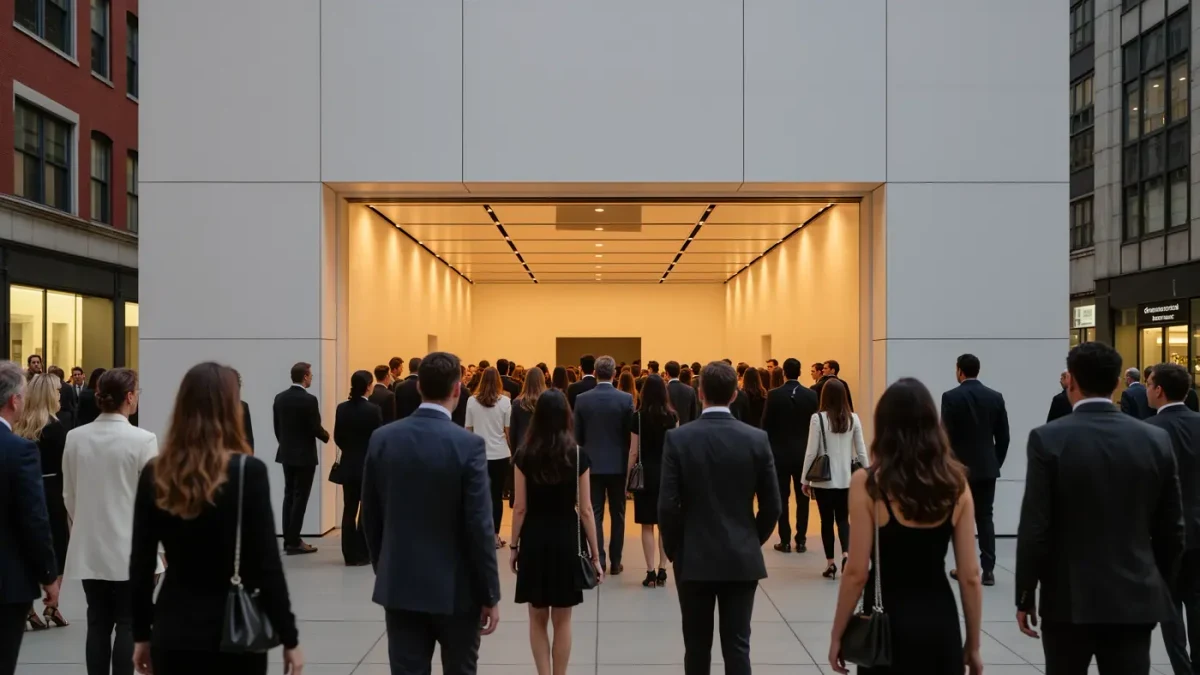
Per Reuters, on June 2, 2026, luxury brands are reorganizing their selling efforts around America's newly wealthy technology and AI executives, whose spending has kept the sector growing in the United States while demand elsewhere stalls. The most visible tactic: fashion shows staged in New York and Los Angeles to sit where the money actually is, rather than asking the money to fly to Paris.
Why are luxury brands chasing tech buyers so hard?
Because the numbers point one direction. Per Reuters' reporting, luxury groups are logging stronger sales growth in the United States than in any other region, and the new wealth created by the AI boom — founders, executives, and the finance ecosystem around them — spends on clothes, watches and jewelry with fewer of the hesitations that have slowed European and Chinese customers. The result is a quiet relocation of marketing weight: pop-up shows, private dinners, and appointments timed to tech-industry calendars rather than the traditional fashion week schedule.
There is a second-order effect worth noticing. When a brand stages a show in Los Angeles instead of Paris, the clothes arrive in American stores with more buzz and, often, fuller size runs. The regional tilt of marketing has started to shape the regional tilt of inventory — per the reporting, this is a deliberate strategy, not an accident of logistics.
What it changes for your wardrobe and budget
If you shop luxury in the US, this is good news in a narrow way: American boutiques are getting the inventory and the client events that used to be reserved for Paris and Milan flagships, and sale associates are hungrier for new clients than they have been in years. It is a reasonable moment to open a relationship with a brand you actually buy — private previews and early access to limited pieces are exactly what brands deploy when courting a region.
If you shop resale or outside the US, the flip side is real: as the American rich absorb more of the production of top-tier brands, allocation of the most-wanted pieces tightens elsewhere, and waitlists lengthen. The detail most coverage skipped: the competition is not just between brands but between cities — per Reuters, shows and client events are being scheduled to avoid colliding with tech earnings and AI conference calendars, a scheduling constraint no fashion director had five years ago.